 Top Faith Senior Care
Fall Risk in the Elderly: A Singapore Caregiver's Guide to Prevention
Understand how trained caregivers in Singapore address fall risk in the elderly with personalised care, supervision, and practical safety measures.
## Key Takeaways
- The fall risks that elderly individuals face are often linked to gradual changes in balance, strength, and coordination rather than a single medical issue.
- Daily routines such as going to the toilet, walking, and moving in and out of bed are the most common situations where falls occur.
- Managing fall risk in elderly individuals requires consistent supervision, not just one-time home modifications.
- Trained caregivers provide structured support, from safe movement assistance to early detection of mobility changes.
- Long-term care planning with the right support helps reduce injuries while preserving independence and confidence at home.
## Understanding Everyday Fall Risks the Elderly Face at Home
[In Singapore, 1 in 3 adults aged 60 and above falls each year, making falls the leading cause of injury-related hospital admissions among seniors](https://nuhsplus.edu.sg/article/how-to-prevent-falls-among-older-adults). About half of these falls happen in the bathroom or bedroom — the very rooms where elderly Singaporeans spend the most unsupervised time.
Trained caregivers reduce fall risk by combining real-time supervision with safe-transfer techniques, fatigue pacing, and early detection of mobility changes. This goes beyond what home modifications like grab bars can achieve alone.
Fall risk refers to the likelihood that an elderly individual will experience a fall due to factors such as reduced balance, mobility limitations, or environmental hazards. [It is one of the most common and serious safety concerns for elderly individuals living at home](https://www.ncbi.nlm.nih.gov/books/NBK560761/).
Reduced balance, muscle weakness, slower reflexes, and fatigue can turn everyday movements into potential hazards. For families, this often becomes a constant concern, especially when elderly loved ones are alone for extended periods.
In Singapore, fall risk management often takes place in HDB flats or condominiums, where compact layouts and bathroom step-ups can increase the risk of falls. Dual-income households add to the challenge, as consistent supervision is an important part of daily safety planning.
### Why Fall Risk Increases With Age
Ageing brings gradual changes that affect stability and movement. Reduced strength, joint stiffness, and slower coordination can make standing, walking, or turning more difficult. Vision changes and fatigue further increase fall risk, particularly in familiar environments where risks are easily overlooked.
These factors highlight why managing fall risk is an ongoing process rather than a one-time adjustment. In older HDB blocks, small elevation changes between rooms or uneven bathroom flooring can magnify mobility challenges. Even minor balance changes may become significant when navigating tight corridors or transitioning between dry and wet areas.
### Everyday Activities Where Falls Commonly Occur
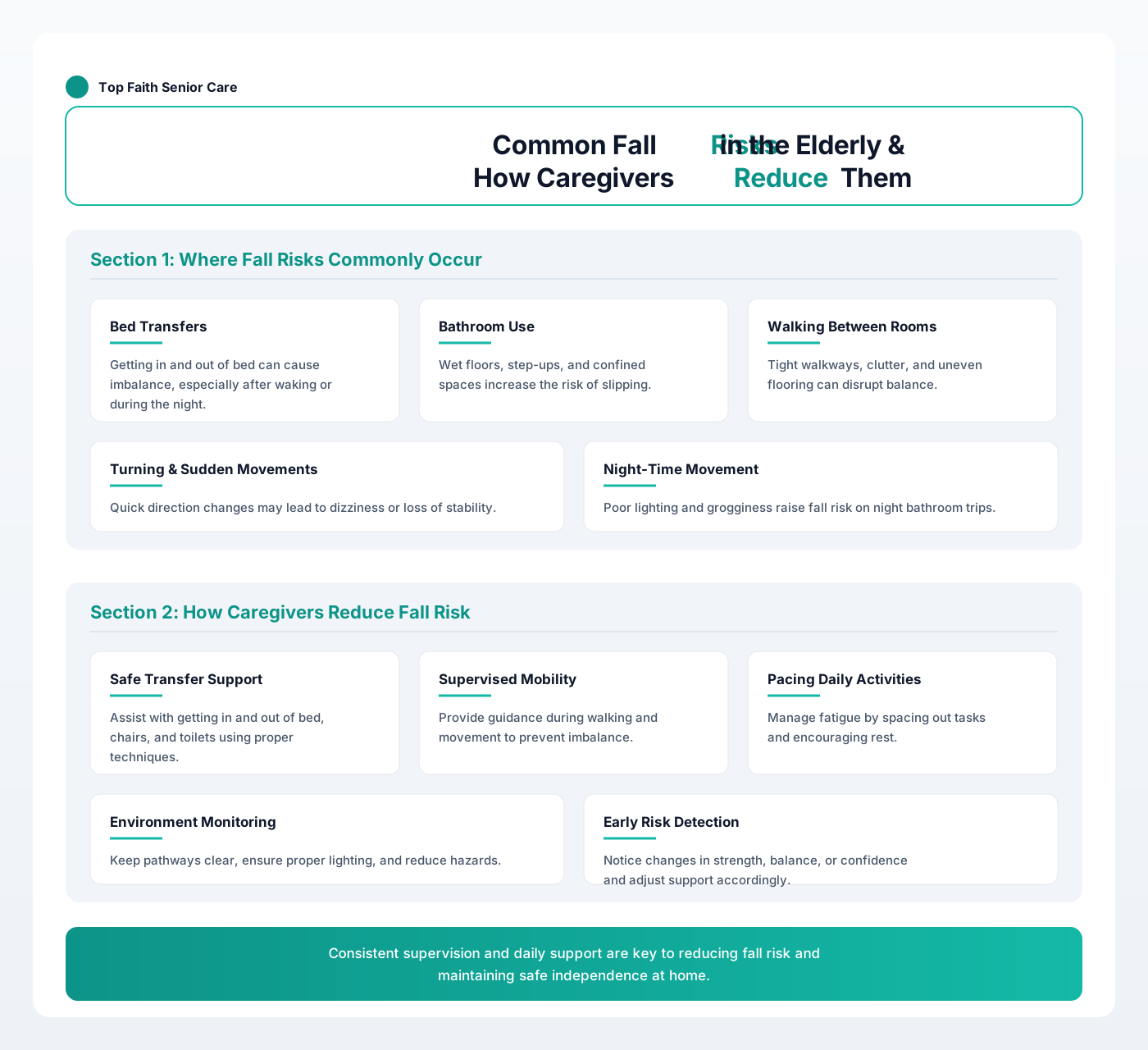
Falls are often tied to routine activities that are repeated daily. Common high-risk moments include:
- Getting in and out of bed
- Using the bathroom, especially at night
- Walking between rooms
- Turning or changing direction quickly
- Navigating stairs or uneven flooring
Bathrooms in many HDB flats present particular risks due to tiled flooring and open shower areas. While grab bars, anti-slip treatments, and shower chairs help reduce hazards, daily fall risk management still depends on consistent supervision during these routine activities.
## How Trained Caregivers Support Daily Fall Risk Management
Trained caregivers play a key role in fall prevention support for the elderly by combining supervision with practical, hands-on assistance. Their role goes beyond simply being present — it involves actively reducing risks throughout the day.
Key ways caregivers help include:
- Assisting with safe transfers, such as moving from bed to chair
- Supporting walking and movement to prevent imbalance
- Pacing activities to reduce fatigue-related falls
- Keeping walkways clear and organised
- Monitoring subtle changes in mobility or confidence
A [professional caregiver](/find-professionals) provides structured oversight that adapts to the elderly individual's condition over time. This consistency is especially important in households where family members may not always be available during the day.
## Building Confidence Without Limiting Independence
Fear of falling can sometimes restrict movement more than physical limitations. Elderly individuals may avoid walking or performing daily tasks, which can lead to further muscle weakness and reduced confidence.
Caregivers help break this cycle by offering reassurance and guided support. Instead of limiting movement, they encourage safe participation in daily routines. This balanced approach allows elderly individuals to remain active while reducing unnecessary risk.
In many cases, families who engage [home care services for the elderly in Singapore](/services) find that consistent support helps restore confidence in both the elderly individual and their caregivers at home.
## Quick Fall-Risk Self-Check (Tick if Yes)
Use this simple checklist to determine whether an elderly loved one may require closer supervision or additional fall-prevention support.
- ☐ Has your loved one fallen at least once in the last 12 months?
- ☐ Do they hold onto furniture when walking around the house?
- ☐ Do they take four or more medications daily?
- ☐ Do they use the bathroom two or more times per night?
- ☐ Have they stopped or reduced activities due to fear of falling?
**What your answers may suggest:** If you checked multiple boxes, your loved one may have a higher daily risk of falls. Early intervention through home safety adjustments, mobility support, and structured caregiving supervision may help reduce preventable accidents and maintain safer independence at home.
## Why Supervision Matters More Than Home Modifications Alone
Home adjustments such as grab bars, anti-slip mats, and improved lighting are important. However, they cannot fully address the dynamic nature of fall risk.
A balanced perspective matters. Environmental modifications reduce hazards, but they do not account for fatigue, sudden dizziness, or poor judgement during movement. These factors require real-time supervision.
In Singapore homes, especially those with compact layouts, combining environmental safety measures with human support creates a more effective system for managing fall risk in elderly individuals.
## Supporting Families With Long-Term, Reliable Care Planning
Managing fall risk is not a short-term effort. It requires consistency, trust, and the ability to adapt as mobility needs change over time.
Families benefit from structured arrangements such as engaging a [full-time caregiver for the elderly in Singapore](/caregivers), where supervision is continuous and routines are clearly established. This is particularly important for:
- Elderly individuals with recurring near-falls
- Households with limited daytime supervision
- Seniors experiencing declining balance or strength
- Families managing work and caregiving responsibilities simultaneously
A structured caregiving approach provides stability, reducing the likelihood of preventable incidents while ensuring that care evolves alongside the elderly individual's needs.
## Singapore Subsidies for Fall Prevention at Home
Families managing the fall risk faced by elderly individuals may also benefit from government-supported home safety programmes designed to reduce accidents at home.
The [HDB Enhancement for Active Seniors (EASE)](https://www.hdb.gov.sg/residential/living-in-an-hdb-flat/for-our-seniors/ease) programme subsidises essential safety modifications for eligible HDB households with seniors aged 65 and above, or individuals aged 60 and above with mobility needs. Supported improvements include grab bars in bathrooms and toilets, slip-resistant treatment for bathroom floors, and ramps to reduce level differences within the home. Depending on eligibility, households may receive subsidies covering up to 95% of the cost.
The Seniors' Mobility and Enabling Fund (SMF) also helps subsidise mobility aids and equipment such as walking frames, wheelchairs, and commodes that support safer movement at home. While these environmental improvements help reduce hazards, fall prevention support for the elderly is often most effective when combined with attentive supervision and structured caregiving routines.
## Creating Safer Daily Living Through Structured Care
Fall risks in the elderly cannot be fully managed through home adjustments alone. Managing them requires consistent, attentive care that responds to changes in mobility, behaviour, and daily routines.
At Top Faith Senior Care, this is addressed through a structured, carefully managed system. Founded by experienced nurses, the team focuses on matching caregivers based on specific care needs, household environments, and compatibility factors. Through AI-driven matching, verified caregiver profiles with video interviews, and professional placement support, families gain an edge in arranging care. All caregivers undergo internal assessment and training, ensuring a consistent standard of support. [Book an appointment with us](/book-appointment) for a free 30-minute consultation.
If you are looking to reduce fall risk and establish a safer daily routine for your loved one, [contact us](/contact) to explore caregiving solutions tailored to your household needs.
## Frequently Asked Questions
### 1. Why are fall risks in the elderly such a major concern in Singapore?
Falls are one of the most common causes of injury among seniors, especially in HDB flats where tiled bathrooms, narrow corridors, and raised thresholds increase risk. Reduced balance, slower reflexes, and fatigue can turn routine movements into potential hazards.
### 2. How do trained caregivers help reduce fall risk for elderly individuals at home?
Trained caregivers assist with safe transfers, supervise mobility, and pace daily activities to reduce fatigue. They also observe subtle changes in balance or confidence and adjust support accordingly.
### 3. Are bathroom modifications in HDB flats enough to prevent falls?
Bathroom modifications such as grab bars, anti-slip treatments, and shower chairs are important. However, they cannot replace real-time supervision, which is essential for effective fall prevention.
### 4. Can an FDW manage fall risk effectively?
An FDW may provide basic supervision, but managing fall risk often requires proper transfer techniques and awareness of mobility limitations. Additional training or professional support may be needed.
### 5. When should families seek additional support for fall prevention?
Families should consider additional support when there are repeated near-falls, increasing difficulty with movement, or concerns about elderly individuals being left alone for long periods.
### 6. What should I do immediately after my elderly parent falls at home?
Check for pain, bleeding, dizziness, or difficulty moving before helping them up. Seek medical attention immediately if there is a head injury, confusion, chest pain, or suspected fractures. Monitor closely afterwards, as some symptoms may appear later.
### 7. How much does HDB EASE cost for grab bar installation?
Eligible HDB households may receive subsidies covering up to 95% of costs under the HDB EASE programme. Final out-of-pocket costs depend on flat type and the number of modifications installed.
← Back to all articles